GoldC — Gold & Finance Calculators
The sums people get wrong on the payslip and at the counter: what a UK student loan, bonus or pension takes from each pay packet, what a part-time salary really pays, and how much gold is really in a 22-carat chain. You type the numbers; we show the working, the source and the date we checked it.
- No ads, no tracking cookies
- No sign-up
- Runs in your browser
Reviewed 15 Oct 2026 · by GoldC Team · How we calculate this
UK — HMRC rules and pounds
Pension and tax calculators on HMRC's 2026/27 rates, with every source linked. England, Wales, NI and Scotland.
Pensions and pay
- Pension salary sacrifice calculatorTake-home pay, pension and the April 2029 £2,000 cap
- Student loan repayment calculatorWhat comes out of your pay, and when the loan ends
- Pro rata salary calculatorPart-time and term-time pay, take-home and holiday
- Bonus tax calculatorWhat you keep, the bonus payslip and bonus sacrifice
New: From 6 April 2029, only the first £2,000 a year of pension salary sacrifice stays free of National Insurance. See what it changes for you →
Open the UK sectionGold tools — work anywhere
Weight, purity, returns and loans. Any currency, no country's rules.
- Weight converterTroy ounce, gram, tola and pennyweight
- Purity converterCarat, fineness and hallmarks, 9ct to 24ct
- Gold return calculatorProfit, loss and yearly return on gold you own
- Gold loan interest calculatorInterest and EMI on gold you pledge
- Gold SIP calculatorDaily, weekly or monthly gold savings
- Gold-to-silver ratioFrom two prices you enter
How it works
Three rules, on every tool
You enter the numbers
No price is fetched from anywhere: use the rate your dealer, jeweller, bank or payslip shows.
See the result instantly
The arithmetic runs in your own browser as you type.
The method is written down
Every tool shows its formula, a worked example and, for country tools, the official source and review date.
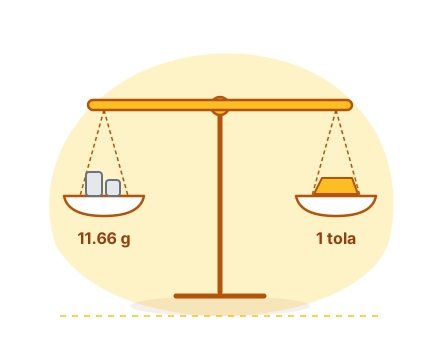
Weights
Grams, troy ounces and tolas, side by side
Gold is weighed in different units depending on where you buy it. Bullion dealers quote the troy ounce, which is 31.1035 grams, heavier than the ounce on a kitchen scale. Jewellers across South Asia and the Gulf often weigh in tolas: one tola is 11.6638 grams, so a 10-tola bar holds about 116.6 grams of metal.
The weight converter goes both ways between all of them and shows the sum it used, so you can check a quote line by line.
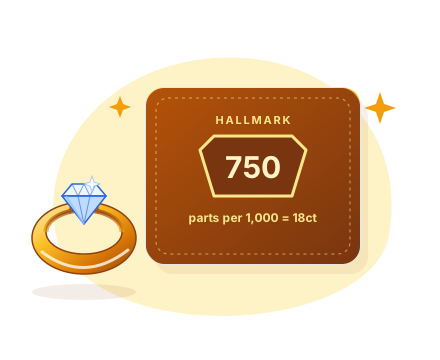
Purity
What the number stamped on gold means
A carat figure counts parts of gold out of 24; a hallmark counts parts out of 1,000. So 18ct and 750 say the same thing: 75.00% gold. 22ct, stamped 916, is 91.67%, and 9ct, stamped 375, is 37.50%, which is why a 9ct ring and an 18ct ring of the same weight hold very different amounts of gold.
When a bill says 22 carat, the gold you paid for is the weight times 0.917. The purity converter turns any carat, percentage or hallmark into the others and into grams of pure gold.
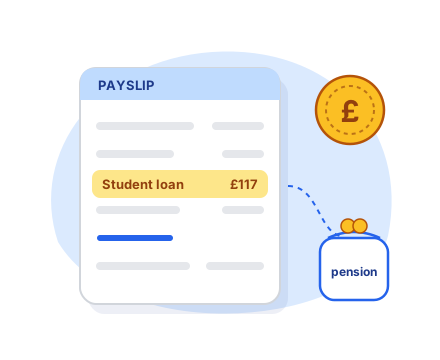
UK pay
What payroll actually takes from each pay packet
Student loans and National Insurance are not worked out on your yearly salary but on each payday's pay. Payroll divides the yearly threshold by the number of paydays, rounds down to the penny, takes 9% of what is above it and rounds down to the pound. On £45,000 with a Plan 2 loan that is £117 a month, £1,404 over the year, not the £1,405.35 a single yearly sum would give.
Small differences, but they are the difference between an estimate and a payslip. The student loan calculator works the same way, and the salary sacrifice calculator shows that at £45,000, putting 5% of pay into a pension by salary sacrifice costs about 72p of take-home pay for each £1 that goes in.

Our method
How a number gets onto GoldC
- Read at the source. HMRC, GOV.UK, the Student Loans Company or a mint's own specification, with the date it was read.
- Typed in once. Each figure lives in one data file that both the calculator and the explanation on its page read, so the two cannot disagree.
- Checked against sums worked by hand. When the code and the hand sum differ, one of them is wrong. On the student loan calculator a test caught a 30p slip in one of our own worked examples before it reached the page.
- Dated on the page. Every country tool shows when its rules were last checked; they are read again after each Budget and before each April.
The full formulas are on the methodology page.
Wherever you are
Gold tools that do not care which country you are in
Visiting from India, the Gulf or anywhere else? The gold tools take your rate in rupees, dirhams, pounds or dollars and weigh in tolas as easily as in grams. Nothing in them assumes one country's tax, so the sums hold wherever you buy.
Guides
The details behind the numbers
Gold guides — worldwide
- What 375 MeansSpotted 375 on a ring or chain? Here's what it means, how much gold is in it and what a hallmark shows.
- Tola to GramsWhere 11.6638 grams actually comes from, and how it lines up against a troy ounce.
- What 916 MeansSpotted 916 on a hallmark or a bill? Here's exactly what it means, and what it doesn't.
Why trust these numbers
- You enter your own rates and amounts — nothing here fetches a live price.
- Every figure is computed by the same code shown in the methodology.
- Rule-based figures carry a reviewed date and an official source — see who's behind GoldC.
- The UK tools follow HMRC's published 2026/27 rates and cover England, Scotland, Wales and Northern Ireland, in pounds and UK English.
FAQ
Quick answers
Is GoldC free to use?
Yes. Every calculator is free, with no ads, no sign-up and no payment.
Do I need to create an account?
No. Nothing you enter is stored on a server or tied to an account — there is no account to create.
Does GoldC show live gold prices?
No. You enter the rate you were quoted; nothing here fetches a live price. The weight and purity converters need no rate at all.
Which currency can I use?
The gold tools that work anywhere take your rate in any currency, and some have a currency selector. The UK tools use pounds and HMRC's rates, because they follow UK payroll rules.
Is my data private?
Every calculation runs in your browser and what you type is not sent to GoldC. If you press a share button, the message you chose goes to the app you pick. See the privacy policy for the full detail.